
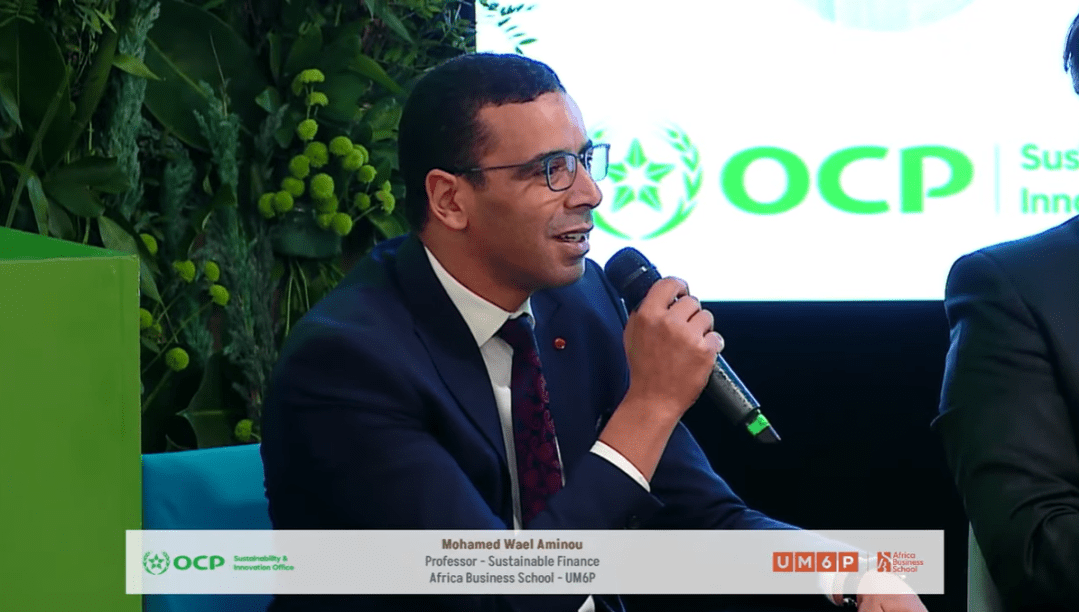
This event brought COP30 insights home and translated global climate ambitions into concrete actions across the OCP/UM6P ecosystem. I spoke about climate finance challenges and opportunities for Morocco. In Morocco, climate finance faces challenges related to limited long-term domestic capital, high perceived risk for private investors, and insufficiently prepared bankable projects, particularly for adaptation. At … Continue reading COP30 Dialogues – From Brasil to Morocco

On greenwashing, greenhushing and the heated debate on ESG
This article from Harvard Business Review by Robert G. Eccles is worth reading because it offers a balanced and insightful perspective on the heated debate surrounding ESG, especially in the United States. The article addresses, among others, the issue of greenhushing—when companies deliberately downplay or avoid publicizing their ESG efforts—by recognizing that the intense political … Continue reading On greenwashing, greenhushing and the heated debate on ESG
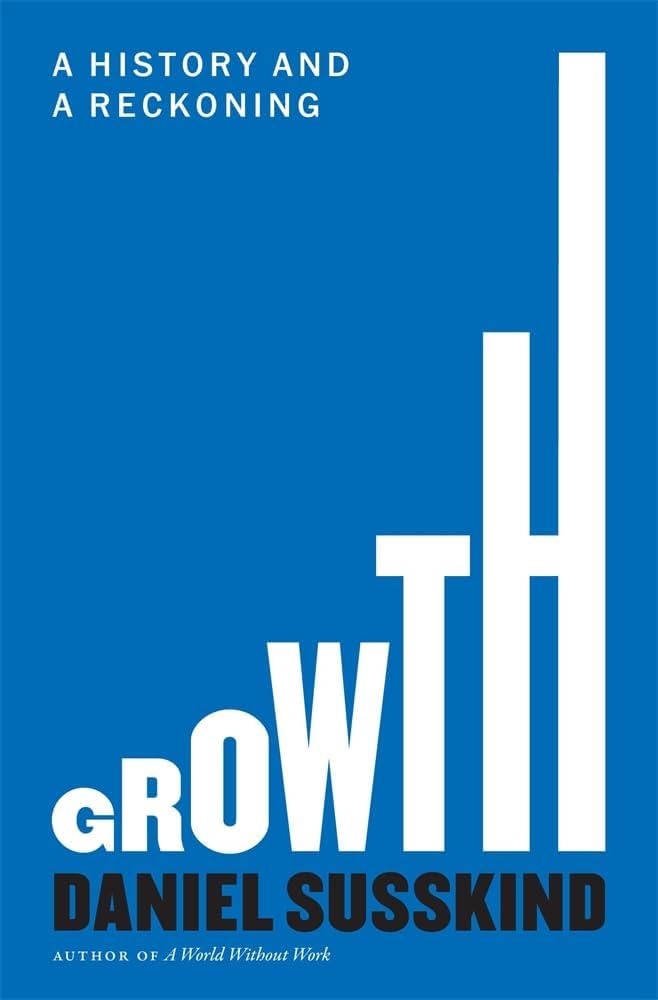
Book review of “Growth: A History and a Reckoning” by Daniel Susskind
Ideas I find interesting: The pursuit of growth is an extremely new preoccupation, which became dominant starting from the mid-20th century due to factors like World War II and the Cold War Ideas agree with: Growth has improved living standards in many parts of the world by driving increased productivity and wealth creation. The … Continue reading Book review of “Growth: A History and a Reckoning” by Daniel Susskind

Global Energy Perspective 2024 (Mc Kinsey)
The Global Energy Perspective 2024 report highlights that the global energy transition is progressing, but fossil fuels will still play a role until 2050, as energy demand rises, particularly in emerging economies. Renewables are expected to dominate future energy production, with electricity consumption set to surge due to AI, EVs, and green hydrogen. However, challenges … Continue reading Global Energy Perspective 2024 (Mc Kinsey)
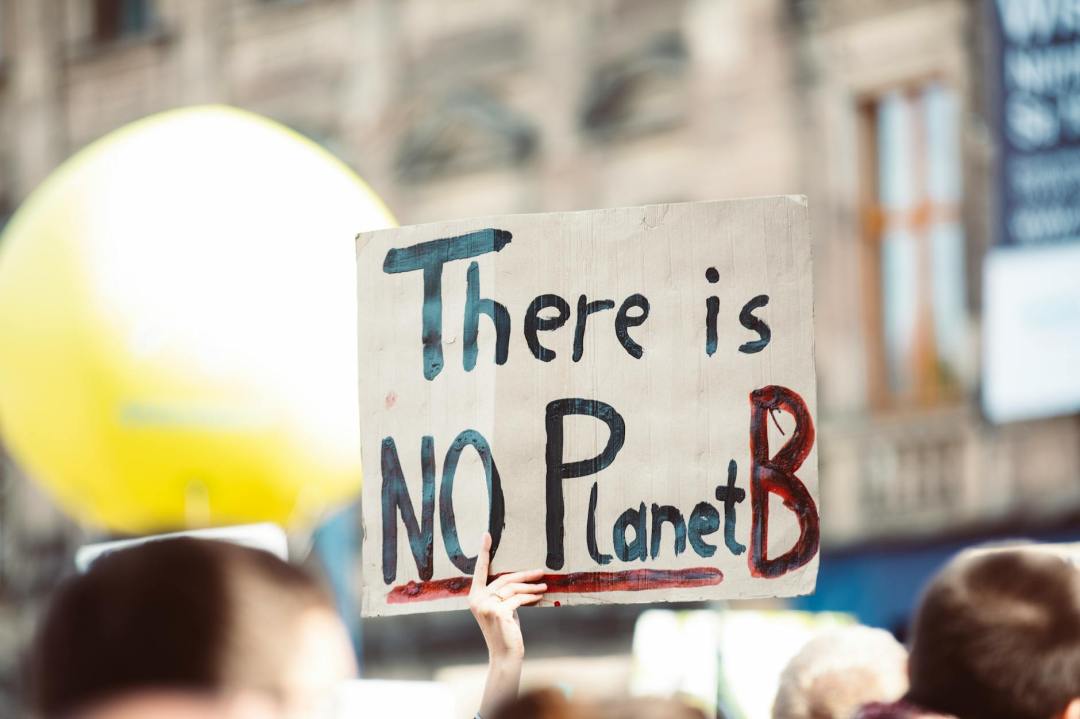
Net zero strategies in banking: ambition not yet matched by actions on the ground
Many banks are falling behind on their commitments to achieve net-zero emissions by 2050. Despite making pledges, many lack concrete, ambitious targets for high-emitting sectors like oil and gas. Additionally, banks' green financing efforts are insufficient compared to the continued support for fossil fuels. This article from the World Resources Institute highlights the need for … Continue reading Net zero strategies in banking: ambition not yet matched by actions on the ground

Finance and Prosperity 2024
A detailed analysis of key risks facing the banking sector in emerging markets and developing countries, featuring an interesting section on climate risks and strategies for managing them from the perspective of banking authorities. FnP2024_Full Report WBDownload

Stakeholder Capitalism Still Makes Business Sense
A brilliant piece by Paul Polman that is well worth reading (as usual). Notably, the idea that increased regulations and the rise of ESG investing, while positive, have led some companies to focus solely on legal compliance and prioritize investors' needs over those of other stakeholders deserves further exploration by researchers and practitioners

Trump’s position on EVs
From the 08/17/2024 issue of The Economist. No comments! “Plenty of politicians still care more about personal than national interest. Donald Trump has shown himself willing to bestow favours on those that support him. Elon Musk, the boss of Tesla, an electric-vehicle (EV) company, has been busily courting the presidential candidate. On August 3rd Trump … Continue reading Trump’s position on EVs

Carbon Rating Framework by CPI
The paper presents a Carbon Rating Framework, a methodology developed by the Climate Policy Initiative (CPI) to evaluate companies based on their current and projected carbon emission intensity. The financial sector can utilize this framework to incorporate climate considerations into financing assessments. Intended to complement existing credit ratings, the framework integrates carbon intensity into the … Continue reading Carbon Rating Framework by CPI
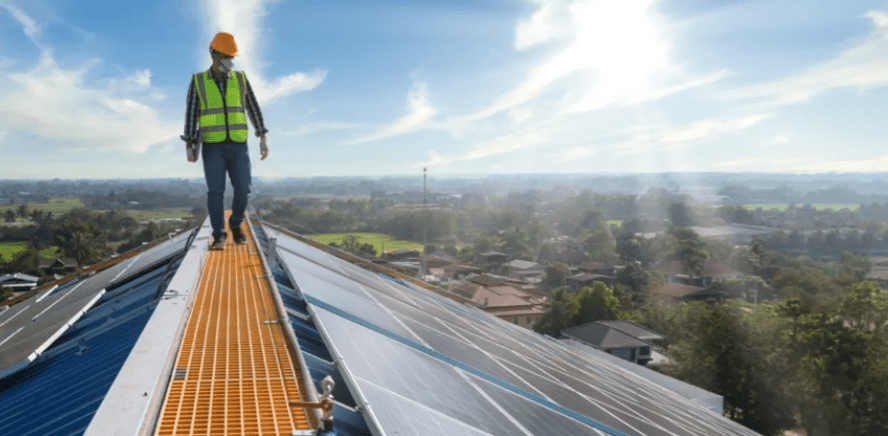
Green jobs are in high demand!
By 2026 demand for green skills will outpace the supply of candidates possessing them. More than 60% of Gen Z workers want to work in a green job, but only 5% have the skills necessary for such a job. Source: LinkedIn’s Global Green Skills Report
 waelmo.com