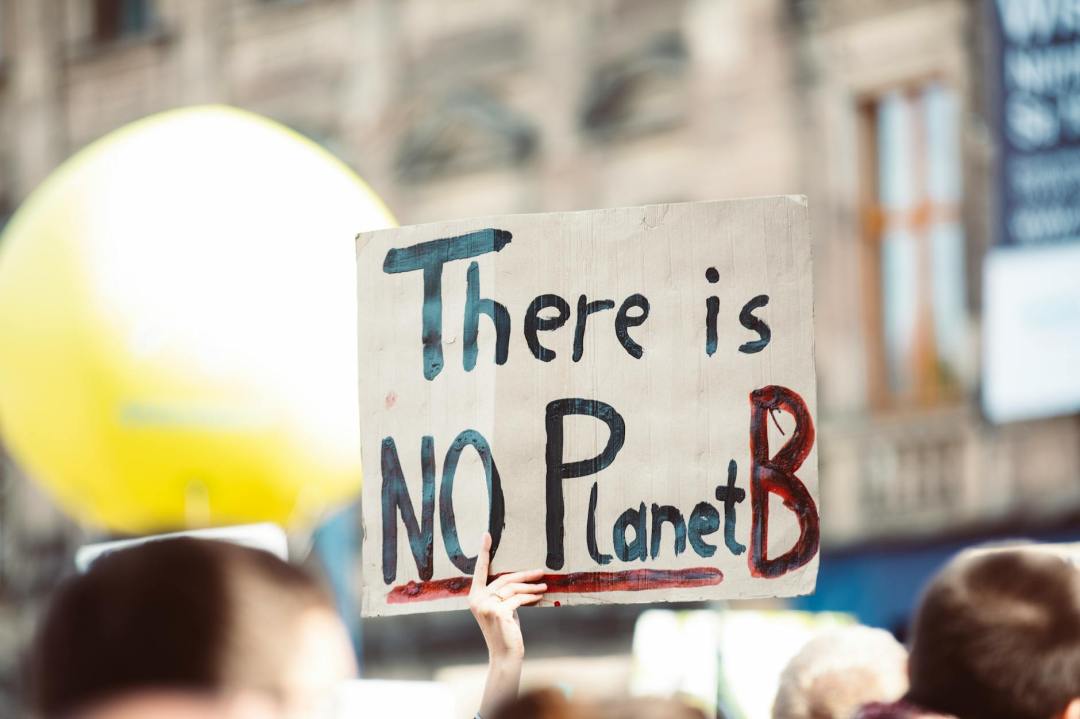
Many banks are falling behind on their commitments to achieve net-zero emissions by 2050. Despite making pledges, many lack concrete, ambitious targets for high-emitting sectors like oil and gas. Additionally, banks’ green financing efforts are insufficient compared to the continued support for fossil fuels.
This article from the World Resources Institute highlights the need for banks to improve their policies, deepen their engagement with clients, and align their financing with 1.5°C climate goals to avoid merely “paper decarbonization”.
Published by Dr. Wael Mohamed Aaminou
Witnessing the 2008 financial crisis unfold in the United States was a defining moment in my career. This experience led me to transition towards ethical finance, which prioritizes the real economy, social welfare, and environmental sustainability.
This journey has since taken me across Africa, the Middle East, and Southeast Asia, where I have contributed to shaping financial ecosystems across various sectors, including energy, agriculture, healthcare, and water. These diverse experiences have taught me that development challenges are complex and require a holistic approach, especially when resources are constrained. I have also learned that prioritizing key issues, particularly climate change, is essential. Climate change impacts nearly every sustainability perspective, making it a focal point of my work.
In my current work, I leverage my expertise to confront climate challenges and drive the growth of green and inclusive economies, particularly within emerging markets.
View all posts by Dr. Wael Mohamed Aaminou