

A brilliant piece by Paul Polman that is well worth reading (as usual). Notably, the idea that increased regulations and the rise of ESG investing, while positive, have led some companies to focus solely on legal compliance and prioritize investors' needs over those of other stakeholders deserves further exploration by researchers and practitioners
Pourquoi la comptabilité carbone pour les institutions financières
(English follows) « La comptabilité carbone ? Est-ce vraiment une priorité pour les institutions financières ? » Je reçois souvent cette question. Ma réponse rapide est oui, pour deux raisons : L'opportunité et le risque. 1) L'opportunité : Les institutions financières peuvent créer de nouveaux relais de croissance verts et diversifier le risque de leurs … Continue reading Pourquoi la comptabilité carbone pour les institutions financières


Establishing a catalytic finance bank
In my opinion, the establishment of a catalytic finance bank can significantly enhance climate finance for the Global South. Nonetheless, the major challenge lies in generating a steady stream of projects that are dedicated to adaptation and mitigation. It is particularly challenging to identify a considerable number of viable small and medium-sized climate change projects … Continue reading Establishing a catalytic finance bank

Rountable on Climate finance in Türkiye
On March 6th 2023, Participation Banks Association of Türkiye (TKBB) and Green for South organizeda roundtable on climate finance. During the roundtable, Dr Ahmed Tahiri Jouti and Dr WaelMohamed Aaminou, Co-Founders and Managing Partners at Green For South Inc. delivered threepresentations. The first one was on the outcomes of the report titled ‘’Climate Finance ReadinessIndex … Continue reading Rountable on Climate finance in Türkiye
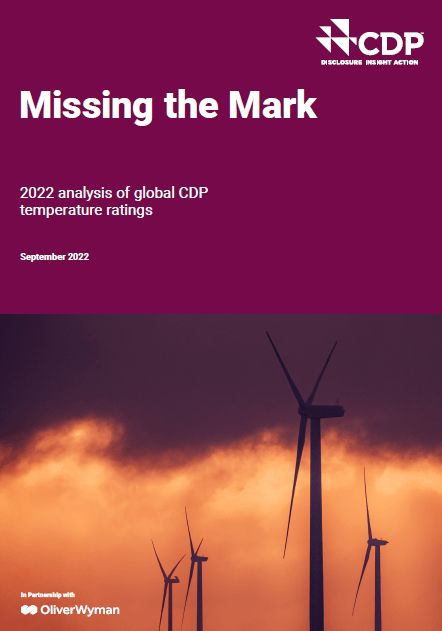
Climate change : Coping with a + 2.7°C world !
Using publicly disclosed GHG emissions reduction targets by companies in G7 economies as a proxy, a CDP’s analysis shows that current emissions reduction targets are leading to a 2.7°C decarbonization pathway — or 2.4°C if emissions from corporate supply chains, known as Scope 3 emissions are excluded. This ambition is well above the Paris Agreement’s … Continue reading Climate change : Coping with a + 2.7°C world !

How Big Finance Can Scale Up Sustainability
Three recommendations to address the funding challenge for sustainable projects:- First, pooling many smaller sustainable projects into one that has enough critical mass to be relevant through securitization- Second, reducing the complexity of key transaction terms and make it easier to design and negotiate the specifics of instruments used to invest in sustainable projects through … Continue reading How Big Finance Can Scale Up Sustainability
 waelmo.com