

A detailed analysis of key risks facing the banking sector in emerging markets and developing countries, featuring an interesting section on climate risks and strategies for managing them from the perspective of banking authorities. FnP2024_Full Report WBDownload

Stakeholder Capitalism Still Makes Business Sense
A brilliant piece by Paul Polman that is well worth reading (as usual). Notably, the idea that increased regulations and the rise of ESG investing, while positive, have led some companies to focus solely on legal compliance and prioritize investors' needs over those of other stakeholders deserves further exploration by researchers and practitioners

Trump’s position on EVs
From the 08/17/2024 issue of The Economist. No comments! “Plenty of politicians still care more about personal than national interest. Donald Trump has shown himself willing to bestow favours on those that support him. Elon Musk, the boss of Tesla, an electric-vehicle (EV) company, has been busily courting the presidential candidate. On August 3rd Trump … Continue reading Trump’s position on EVs

Carbon Rating Framework by CPI
The paper presents a Carbon Rating Framework, a methodology developed by the Climate Policy Initiative (CPI) to evaluate companies based on their current and projected carbon emission intensity. The financial sector can utilize this framework to incorporate climate considerations into financing assessments. Intended to complement existing credit ratings, the framework integrates carbon intensity into the … Continue reading Carbon Rating Framework by CPI

الهيدروجين الأخضر : إلى أين ؟
يناقش المقال الإكراهات التي تواجه صناعة الهيدروجين الأخضر، بما في ذلك التكلفة العالية للإنتاج مقارنةً بالهيدروجين التقليدي. رغم أن الهيدروجين الأخضر يستفيد من فائض إنتاج الطاقات المتجددة مثل الطاقة الشمسية والرياح، لكنه يظل غير تنافسي بسبب التكاليف المرتبطة بتكنولوجيا التحليل الكهربائي والبنية التحتية للنقل والتخزين. بالإضافة إلى ذلك، لا يزال الطلب على الهيدروجين الأخضر ضبابياً … Continue reading الهيدروجين الأخضر : إلى أين ؟
Green jobs are in high demand!
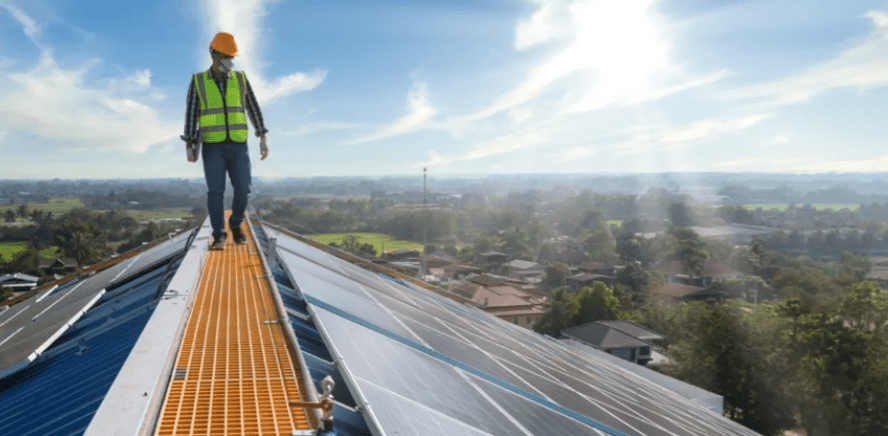
By 2026 demand for green skills will outpace the supply of candidates possessing them. More than 60% of Gen Z workers want to work in a green job, but only 5% have the skills necessary for such a job. Source: LinkedIn’s Global Green Skills Report

الصيف الساخن يقلب أسواق السلع رأساً على عقب
كلما اقترب فصل الصيف كلما زادت المخاوف من تأثير ارتفاع درجات الحرارة على أسواق الطاقة والمواد الغدائية مما يؤثر على توقعات زيادة التضخم. مقال بلومبرغ الشرق
Pourquoi la comptabilité carbone pour les institutions financières
(English follows) « La comptabilité carbone ? Est-ce vraiment une priorité pour les institutions financières ? » Je reçois souvent cette question. Ma réponse rapide est oui, pour deux raisons : L'opportunité et le risque. 1) L'opportunité : Les institutions financières peuvent créer de nouveaux relais de croissance verts et diversifier le risque de leurs … Continue reading Pourquoi la comptabilité carbone pour les institutions financières

Risques climatiques du secteur bancaire marocain
Très bon rapport qui évalue les risques climatiques physiques et de transition pour le secteur bancaire marocain, en se concentrant sur les impacts des catastrophes naturelles et les défis de la transition vers une économie à faible carbone. Le rapport analyse l'impact potentiel sur les bilans des banques et examine les pratiques de gestion des … Continue reading Risques climatiques du secteur bancaire marocain

 waelmo.com